Seriously injured · Cycling
A man in his 80s
A man in his 80s was seriously injured after being hit by a Bee Network bus while riding a bike on Deansgate at Bridge Street, Manchester city centre, on 2 November.
Friday morning, 30 October
A man was walking on the A6 Buxton Road near Winifred Road, Heaviley.
He was hit by a Bee Network bus and died.
He was one of 35 people who have died on Greater Manchester’s roads in 2026.
2026, day by day
A red square means someone died on a Greater Manchester road that day, and amber means someone was seriously injured.We only name people who have died, and only once the police or their family have released the name. Tap anyone to read what happened.
 Alfie Moran, 162 January · WalkingA man4 January · WalkingA woman4 January · WalkingA 90-year-old woman7 January · WalkingMasrob Ali, 5411 January · DrivingMohammed Jibrael Mukhtar, 1811 January · DrivingFarhan Patel, 1811 January · Passenger
 Mohammad Danyaal Asghar-Ali, 1911 January · PassengerA 29-year-old woman11 January · PassengerA 28-year-old woman11 January · PassengerA 30-year-old man11 January · PassengerA man in his 70s16 January · DrivingAn 87-year-old man24 January · WalkingA 30-year-old man30 January · WalkingA 79-year-old woman5 February · WalkingA pedestrian6 March · Walking
 Matthew Walker, 488 March · Walking
 Sylvester Abayomi9 March · DrivingA 65-year-old woman16 March · Not knownA person16 March · Not knownA person16 March · Not knownA person16 March · Not known
 Michael Margetson17 March · Not known
 Anthony Neville Breed, 3920 March · Motorcycling
 Michael Mullins, 5620 April · CyclingA man in his 20s26 April · E-scooterA woman in her 30s27 April · Walking
 Erica De Sousa Correia, 175 May · Not knownAn 80-year-old woman6 May · Not knownJames Swinscoe, 776 May · Not knownA woman6 May · Not knownA 38-year-old man7 May · CyclingAn 80-year-old man14 May · WalkingChristopher Neary, 581 June · Not knownA woman in her 50s11 July · DrivingA 58-year-old man21 July · WalkingA 64-year-old man28 July · WalkingA man in his 50s3 August · CyclingNatasha Denman5 August · Not knownA 24-year-old man5 August · Not knownA man in his 20s5 August · Not knownA man in his 20s5 August · Not knownLuke Hill, 286 August · MotorcyclingA 79-year-old pedestrian27 August · WalkingA woman in her 70s8 September · DrivingEthel Walsh, 8514 September · Not knownA woman in her 80s14 September · Not knownDamien Mahon, 4722 September · MotorcyclingAn 82-year-old man6 October · WalkingA 56-year-old woman6 October · WalkingA woman in her 60s10 October · Not knownCody Lowndes, 2717 October · WalkingA motorcyclist19 October · MotorcyclingA 78-year-old man22 October · WalkingStephen Sparks, 4427 October · MotorcyclingA man30 October · WalkingA 19-year-old man31 October · WalkingA motorcyclist31 October · MotorcyclingA man in his 80s2 November · Cycling
A man in his 80s was seriously injured after being hit by a Bee Network bus while riding a bike on Deansgate at Bridge Street, Manchester city centre, on 2 November.
A 19-year-old man was seriously injured after being hit by a car while walking on the Mancunian Way, London Road exit slip, Manchester city centre, on 31 October.
A motorcyclist was seriously injured in a collision with a car on St Mary's Way, Stockport, on 31 October.
A man died after being hit by a Bee Network bus while walking on the A6 Buxton Road near Winifred Road, Heaviley, on 30 October.
Stephen Sparks, 44, died in a collision with a van while riding a motorbike on Wigan Lane on 27 October.
A 78-year-old man was seriously injured after being hit by a bicycle while walking on Palatine Road, Northenden, on 22 October.
A motorcyclist was seriously injured in a collision with a van on St Mary's Way, Stockport, on 19 October.
Cody Lowndes, 27, died after being hit by a car while walking on the M56 at J5 (Manchester Airport) on 17 October.
His family said he was turning his life around and had found a purpose in his life through his baby daughter.
“Cody finally found a purpose in his life through his beautiful baby.”
A woman in her 60s was seriously injured in a collision with a van and cars on the M62 westbound between J20 and J21, near Rochdale, on 10 October.
An 82-year-old man died after being hit by a vehicle while walking on Davyhulme Road East on 6 October.
Police are still establishing whether the collision caused his death.
A 56-year-old woman died after being hit by a lorry while walking on Church Street West, Radcliffe, on 6 October.
Damien Mahon, 47, died in a collision with a car while riding a motorbike on Corner Lane, Leigh, on 22 September.
His wife Michelle called him a wonderful husband who lit up their life with his cheeky smile and caring, creative personality.
“He lit up our life with his cheeky smile and his caring and creative personality.”
Ethel Walsh, 85, died in a collision with a car on Atherleigh Way on 14 September.
A mother, nana, sister and friend whom her family described as gentle, strong and independent.
“brought immense warmth, joy, and kindness to everyone who knew her”
A woman in her 80s was seriously injured in a collision with a car on Atherleigh Way on 14 September.
A woman in her 70s died while driving on Walthew House Lane near Spring Road, Wigan, on 8 September.
A 79-year-old pedestrian died after being hit by a car on Huddersfield Road, Stalybridge, on 27 August.
Luke Hill, 28, died in a collision with a bus while riding a motorbike on Wigan Road at Alexandra Road, Ashton-in-Makerfield, on 6 August.
His mother Sharon described him as her son, her rock and a much-loved part of the family.
“Luke was my son, my rock and a much-loved part of our family.”
Natasha Denman died in a collision with a stationary digger on Hyde Road (A57) near Clumber Road, Gorton, on 5 August.
Known as Tasha, a much-loved daughter, sister, granddaughter, niece and cousin whom her family remembered as naturally funny, loving and caring.
“We would like her to be remembered as the naturally funny, loving and caring person she was.”
A 24-year-old man died in a collision with a stationary digger on Hyde Road (A57) near Clumber Road, Gorton, on 5 August.
A man in his 20s was seriously injured in a collision with a stationary digger on Hyde Road (A57) near Clumber Road, Gorton, on 5 August.
A man in his 20s was seriously injured in a collision with a stationary digger on Hyde Road (A57) near Clumber Road, Gorton, on 5 August.
A man in his 50s died after being hit by a car while riding a bike on Yew Tree Lane, Dukinfield, on 3 August.
A 64-year-old man died after being hit by a road sweeper while walking on Cleggs Lane, Little Hulton, on 28 July.
A 58-year-old man was seriously injured after being hit by a car while walking on Gathurst Road at Rydal Avenue, Orrell, on 21 July.
A woman in her 50s died in a collision with a car while driving on the M62 eastbound between J21 and J22, near Rochdale, on 11 July.
Christopher Neary, 58, died on Lees New Road near Abbey Hills Road, Oldham, on 1 June.
An 80-year-old man died after being hit by a lorry while walking on Preston Road near Avondale Road, Standish, on 14 May.
A 38-year-old man died after being hit by a car while riding a bike on Westwood Way (A49), Wigan, on 7 May.
An 80-year-old woman was seriously injured in a collision with a six vehicles including a BMW i3 on Warrington Road, Ashton-in-Makerfield, on 6 May.
James Swinscoe, 77, died in a collision with a six vehicles including a BMW i3 on Warrington Road, Ashton-in-Makerfield, on 6 May.
His daughter said he brought joy to everyone lucky enough to meet him and wanted him remembered as kind-hearted and fun loving.
“My dad brought Joy to everyone that was lucky enough to meet him and will be very much missed by the many people that knew him.”
A woman was seriously injured in a collision with a six vehicles including a BMW i3 on Warrington Road, Ashton-in-Makerfield, on 6 May.
Family photo released via GMP
Erica De Sousa Correia, 17, died on Walker Fold Road, Bolton, on 5 May.
Her family said her happiness was contagious and that she would call them if she saw a homeless person so they could give money.
“Erica was the kindest person and would call us if she saw a homeless person so we could give money to help.”
A woman in her 30s was seriously injured after being hit by an e-bike while walking on Stanley Grove, Longsight, on 27 April.
A man in his 20s was seriously injured after being hit by a car while riding an e-scooter on Oldham Road, Royton, on 26 April.
Photo released by GMP
Michael Mullins, 56, died after being hit by a car while riding a bike on Paddock Lane, Warburton, on 20 April.
A loving dad, husband, brother-in-law and uncle whom his family described as devoted to them.
“He was devoted to his family and our lives will never be the same.”
Photo released by GMP
Anthony Neville Breed, 39, died in a collision with a several vehicles while riding a motorbike on the A6 Buxton Road near the A555, Hazel Grove, on 20 March.
His family described him as a beloved son, brother and father.
“Anthony Neville Breed was a beloved son, brother and father. He has been taken from us too soon.”
Photo released by GMP
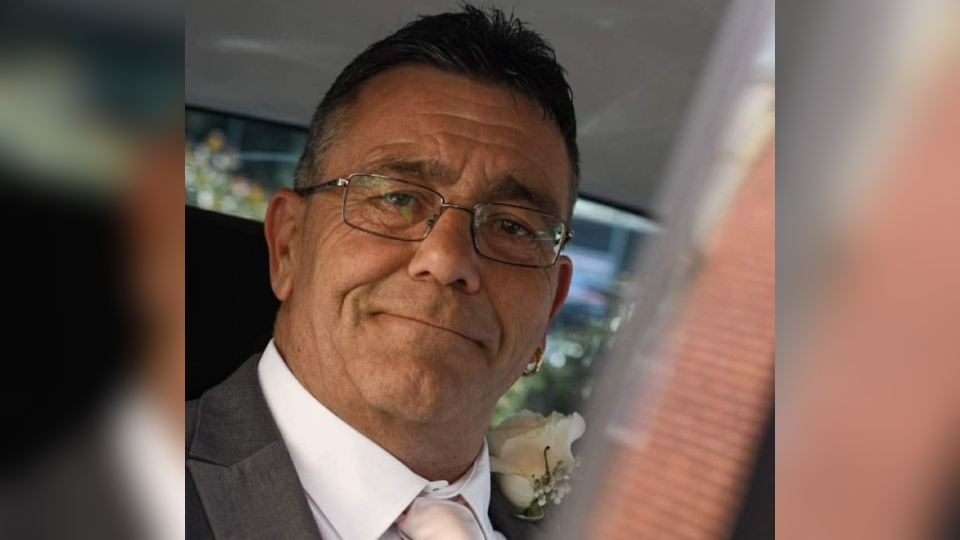
Michael Margetson died in a collision with a two other vehicles on Broadway at the Elk Mill Retail Park turning, Royton, on 17 March.
His wife Diane called him her best friend, the cornerstone of the family and the greatest storyteller and hug giver.
“You weren't just a part of our family you were the cornerstone.”
A 65-year-old woman died in a collision with a tree on Wilmslow Road, East Didsbury, on 16 March.
A person was seriously injured in a collision with a tree on Wilmslow Road, East Didsbury, on 16 March.
A person was seriously injured in a collision with a tree on Wilmslow Road, East Didsbury, on 16 March.
A person was seriously injured in a collision with a tree on Wilmslow Road, East Didsbury, on 16 March.
Photo released by GMP
Sylvester Abayomi died in a collision with a car while driving on Kingsway at Green End Road, Burnage, on 9 March.
His partner Denise said he had time for everybody and was loved by everyone.
“He was the most caring soul and gentle person you could ever meet.”
Family photo released via GMP
Matthew Walker, 48, died after being hit by a car while walking on Princess Road, Moss Side, on 8 March.
A son, brother, partner, stepfather and grandfather who ran marathons and went hiking for causes close to his heart; he was training for another marathon.
“Matthew was a kind-hearted, loving man, who always went above and beyond for his family and friends”
A pedestrian was seriously injured after being hit by a car on Crickets Lane, Ashton-under-Lyne, on 6 March.
A 79-year-old woman died after being hit by a car while walking on Bury New Road, Prestwich, on 5 February.
A 30-year-old man was seriously injured after being hit by a car while walking on Altrincham Road, Baguley, on 30 January.
An 87-year-old man died after being hit by a car while walking on Great Cheetham Street East, Broughton, on 24 January.
A man in his 70s died while driving on Atherleigh Way near Sale Way on 16 January.
Masrob Ali, 54, died in a collision with a car while driving on Wigan Road, Bolton, on 11 January.
Mohammed Jibrael Mukhtar, 18, died in a collision with a car while driving on Wigan Road, Bolton, on 11 January.
Farhan Patel, 18, died in a collision with a car while travelling as a passenger on Wigan Road, Bolton, on 11 January.
Photo released by GMP
Mohammad Danyaal Asghar-Ali, 19, died in a collision with a car while travelling as a passenger on Wigan Road, Bolton, on 11 January.
His mother said he never failed to put a smile on anyone's face; his sister called him her best friend.
“my heart, my soul, my everything”
A 29-year-old woman was seriously injured in a collision with a car while travelling as a passenger on Wigan Road, Bolton, on 11 January.
A 28-year-old woman was seriously injured in a collision with a car while travelling as a passenger on Wigan Road, Bolton, on 11 January.
A 30-year-old man was seriously injured in a collision with a car while travelling as a passenger on Wigan Road, Bolton, on 11 January.
A 90-year-old woman died after being hit by a car while walking on Albert Street West, Failsworth, on 7 January.
A man was seriously injured after being hit by a car while walking on Wardle Road near Halifax Road on 4 January.
A woman was seriously injured after being hit by a car while walking on Wardle Road near Halifax Road on 4 January.
Photo released by GMP
Alfie Moran, 16, died after being hit by a car while walking on Kingsway, Burnage, on 2 January.
His mother said he loved gaming and motorbikes and had started saving for his first bike.
“My Alfie boy was always our special boy with the biggest heart.”
The trend
It is the highest figure of the last five years, and 31% above 2023.
Source: DfT
Of the 1,043 people killed or seriously injured in 2025, 311 were walking and 204 were cycling.
Source: DfT
Between 2021 and 2025, the number of people killed or seriously injured while cycling rose by 61%. For people walking it rose by 29%, while for people in cars it rose by 8%.
Source: DfT
TfGM’s own rolling count lets us compare like with like. Between July 2025 and June 2026, 1,006 people were killed or seriously injured. That is up from 971 in the year to June 2025, and from an average of 870 a year in the three years before that.
Source: TfGM, Bee Network Committee, 27 November 2025 and 24 September 2026
The promise
It rose from 851 in 2022 to 1,043 in 2025. TfGM’s latest rolling count, 1,006 for July 2025 to June 2026, is up on the year before.
Source: DfT; TfGM, 24 September 2026
To be on course for that, 2025 should have come in at around 691. Instead it was 352 higher.
The strategy counts deaths and life-changing injuries, which is a slightly different measure, so treat this as a guide to the gap rather than an exact figure.
Source: GMCA Vision Zero Strategy, 2024, which sets the target for deaths and life-changing injuries; applied here to DfT figures
That means bringing the number of people killed or seriously injured each year down from 1,043 to around 426.
Why it is happening
Those journeys make up 41% of trips in the city, but account for 67% of those killed or seriously injured. Most of the people hurt were hit by motor vehicles.
Source: Manchester City Council, Vision Zero Strategy and Road Safety, 3 November 2026
The average new car bonnet has gone up from 76.9cm in 2010 to 83.7cm in 2024, about half a centimetre a year. It is called carspreading.
Source: Transport & Environment, June 2025
Research cited by Transport & Environment found that when a bonnet is 10cm taller, the risk of death for someone walking or cycling goes up by 27%.
Source: Transport & Environment, June 2025
Where it is happening
Between 2021 and 2025, 139 people were killed or seriously injured on it, and 12 of them died. On 30 October a man walking on the A6 in Stockport died after being hit by a Bee Network bus.
Source: DfT; Greater Manchester Police
These are the ten roads where the most people were killed or seriously injured between 2021 and 2025, with deaths shown in red.
Source: DfT
Who can fix it
As leader of Manchester City Council she led the work on the city’s Vision Zero plan, and Manchester is delivering on that plan. As Mayor she now has the chance to do the same for the whole of Greater Manchester, and the job comes with real power to do it.
Buses in Greater Manchester have been franchised since January 2025, so TfGM writes the contracts and sets the standards on the Mayor’s behalf. Around 32 people a year are killed or seriously injured in collisions involving a bus or coach.
This year: A man in his 80s, seriously injured on Deansgate at Bridge Street, Manchester city centre, 2 November; A man, died on the A6 Buxton Road near Winifred Road, Heaviley, 30 October; Luke Hill, 28, died on Wigan Road at Alexandra Road, Ashton-in-Makerfield, 6 August.
Source: DfT; Greater Manchester Police
These should be the safest buses in the country, driven to the highest standard. But nothing published sets out how Bee Network drivers are trained to drive around people walking and cycling, and nobody has published what that standard is.
The Mayor holds the police and crime commissioner’s powers, and the Greater Manchester Combined Authority, which she chairs, owns the Vision Zero strategy.
All ten councils are part of the partnership behind the Greater Manchester strategy, but it says itself that it is not a funded delivery plan. Manchester City Council has now drafted the local version, with half as many deaths and serious injuries by 2030, 70% fewer by 2035, none by 2040, and 20mph as the default on residential streets.
Source: Manchester City Council, 3 November 2026
Road danger does not stop at the city boundary. Manchester is delivering on the plan, and the Mayor is well placed to bring the other nine councils with her.
The numbers are going up, and it is people walking and cycling who are paying for it. All ten councils sit on the partnership that adopted the Greater Manchester Vision Zero strategy, which aims for zero by 2040. But the strategy says itself that it is not a funded delivery plan, and it has no 2035 target or speed commitments. Nothing published sets out how Bee Network drivers are trained to drive around people walking and cycling. Manchester’s draft is the first local plan to spell out what delivery looks like. Bev Craig led that work, and as Mayor she can now take it across the city region. It is time to kick on. We are asking for:
